
Phenylbutazone & NSAIDS – Another potential treatment(s) for Myotonic Dystrophy

Orudis KT

Another paper has been published and revealed another potential treatment for myotonic dystrophy, Phenylbutazone PBZ.. Interestingly this study was also done in Japan………… now a hotbed of repositioning drugs for treatment of myotonic dystrophy.   some info from the study

“Using the drug repositioning strategy, we found that PBZ markedly elevated MBNL1 expression in myogenic cells(Fig. 1 and Supplementary Fig. S1) as well as in skeletal muscles in HSALR mice model (Fig. 2 and Supplementary Fig. S2). PBZ mitigated muscle pathology (Fig. 2d,e) and improved the running wheel activity and grip strength
in HSALR mice (Fig. 2c and Supplementary Fig. S2d).”

This summary above  showed that in mice this drug helped mice with myotonic dystrophy run on the wheel better and had better grip strength. More info below

PBZ is an NSAID with anti-inflammatory, antipyretic, and analgesic activities. PBZ was approved in humans for rheumatoid arthritis and gout in 1949. Although incidental adverse effects of fatal liver disease and aplastic anemia markedly lowered the use of PBZ, PBZ is still used as an alternative drug for ankylosing spondylitis32,33.
Interestingly, another NSAID, ketoprofen has been reported to suppress CUG-induced lethality in Drosophila34, and we also found that 50 μ M ketoprofen upregulated the expression of Mbnl1 mRNA 1.2-fold in C2C12 cells, which was lower than the 1.3-fold increase of Mbnl1 mRNA by 50 μ M PBZ (Supplementary Fig. S6). Ketoprofen
and some other NSAIDs may have beneficial effects on a mouse model of DM1, as well as on DM1 patients.

Editors Note: This drug (PBZ) approval was removed for humans in 2003 in the USA and Canada. It is available for use in animals only. The drug Ketoprofen was not studied in depth but is an approved NSAZID drug in the USA. We have choosen the image of Ketoprofen as this is an approved drug in the USA.

Full study is Here.. Phenylbutazone Treatment DM1 mice
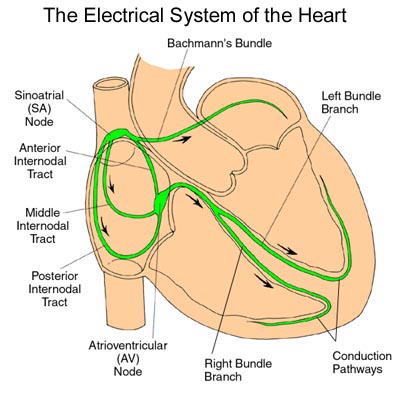
Atrial Flutter (Fast Heart Beat) in Myotonic Dystrophy Analysis and Possible treatments

New information on a heart problem that is present in many of the adult patients with myotonic dystrophy – atrial flutter. This is the heart beating too fast in the upper chambers of the heart. This new information from France gives an over view and possible treatments for this symptom. Sorry the whole article is not available for free!

Neuromuscul Disord. 2016 Feb 10. pii: S0960-8966(15)30123-1. doi: 10.1016/j.nmd.2016.01.005. [Epub ahead of print]

Atrial flutter in myotonic dystrophy type 1: Patient characteristics and clinical outcome.

Continue reading

News from 1966 – Mental Retardation and Myotonic Dystrophy

A recent republished article appeared in Pediatrics. Dr. Calderon described 6 cases of Congential Myotonic Dystrophy that had global delay. He also complied 55 cases 53 or which had global developmental delay. The diagnosis were by muscle biopsy then no DNA tests were available. The information urged using this as a differential diagnosis.

Below is the PDF of the article

Mental Retardation and Myotonic Dystrophy 1966

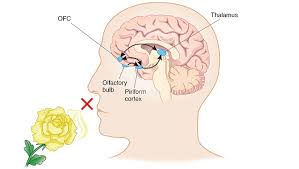
Smell Function (Odor recognition) may be affected by Myotonic Dystrophy

Impaired smell found

A new study that looked at MRI images showed that there were some affects to smell that could be seen on patients MRI. It is very possible that some people affected with DM may have reduced or impaired Smell (odor responses). The study is in Japanese so this is all the information that we can report here.

[Impairment of Odor Recognition in Myotonic Dystrophy Type 1].

[Article in Japanese]

Abstract

There is evidence that impaired human cognitive abilities are reflected in loss of olfactory abilities. Declining olfactory perception may be a biomarker for impairment of cognitive function and of impending illnesses in neurodegenerative disorders such as Parkinson’s disease (PD) and Alzheimer’s disease (AD). Previously, we reported that patients with myotonic dystrophy type 1 (DM 1) had lower sensitivity to emotional facial expressions as well as abnormal olfactory threshold or recognition level. In DM 1, pathological studies have reported neurofibrillary tangles in several temporal areas including the entorhinal cortex (ENT), hippocampus (HI), and the amygdala. We observed that patients with DM 1 showed signal abnormalities in the olfactory limbic areas on magnetic resonance imaging. Our findings underscore the need to pay careful attention to significant decreases in odor identification abilities caused by diverse forms of abnormal brain function, especially in the AMG, ENT and HI.

Males are worse off in Myotonic Dystrophy

A new study shows that males seem to be worse off on a number of factors when they have myotonic dystrophy. Social economic ($$$$) money issues as well as from a health standpoint they do not do as well as females. The full study can be seen here Gender and Myotonic Dystrophy


SUMMARY

Our study revealed the multidimensional influence of gender in DM1. First, maternal inheritance was associated with longer repeat expansions and more severe phenotype, as previously reported [5, 6]. This has been attributed to marked DNA instability in the female germ cell lineage allowing additional triplets insertion during oogenesis [43]. Such instability also results to an anticipation in case of maternal inheritance, a phenomenon corresponding to earlier onset and more severe symptoms observed in successive generations [10]. Surprisingly, and in contrast to the general assumptions, we observed that fathers transmitted up to 9% of neonatalonset (mild or severe) forms and 50% of infantile forms, especially those with lower cognitive impairment. Another unexpected observation was that only a minority of overall DM1 patients(37%) had maternal inheritance, which is most unusual for an autosomal dominant inherited disease. It probably results from increased miscarriage and perinatal lethality observed in female DM1 transmitters.

The second gender difference implied an unequal prevalence of several DM1 signs and symptoms in men and women. These differences could not be accounted for overall quantitative male-to-female disproportion in our study population (considered in all statistical analysis),or for the age and genotype differences between the two groups. Men tended to have more obvious classical DM1 symptoms, combining cognitive impairment, marked myotonia,cardiac and respiratory involvement whereas women had more extra-muscular and lateonset manifestations, less suggestive of DM1, such as cataracts, obesity, dysthyroidism, G Isymptoms and sphincter dysfunction. The most poorly symptomatic patients were women,implicating occasional hidden DM1 transmissions by undiagnosed female mutation carriers.

In practice, the sex-related differential risks of developing specific manifestations may require sex-orientated care management, which should be specifically adapted for men (at higher risk of mechanical ventilation, respiratory failure or cardiac conduction defects,which could provide more frequent hospitalization and increased mortality according PMSI database) as well as for women (at higher risk of thyroidism, obesity, sphincter dysfunction,and cataracts). This gender disproportion suggests that women could be more carefulwith their own health. This is underlined by FDM-S survey showing a similar number ofannual routine visits to the cardiologist and pneumonologist for both genders, despite male have more cardiac and respiratory involvement, which should prompt more regular medical care. Altogether, the results highlight the importance of a greater awareness about preventive medical care in DM1 male individuals.